
 Pharmacist-curated products
 2,200+ five-star reviews
 Pay with Afterpay
 Next-day dispatch








General health information. Last reviewed 11 September 2026.
Creams, gels and roll-ons can all deliver ingredients to the skin over a painful area. The format can affect how convenient a product is to apply, but it does not by itself tell you how well the product may work. The active ingredient, approved or listed use, directions, affected joint, other medicines and individual health risks matter more.
Topical products may provide temporary symptom relief for some people. They do not cure arthritis or replace an accurate diagnosis and a broader management plan. Arthritis is a name for many different joint conditions, and treatment depends on the type. (Healthdirect — arthritis; Healthdirect — medicines for osteoarthritis)
Cream, gel or roll-on: what is the practical difference?
Creams
A cream is a spreadable preparation rubbed into the skin. Products described as arthritis creams may contain very different active ingredients, including a topical non-steroidal anti-inflammatory drug (NSAID), capsaicin, a warming or cooling ingredient, or complementary-medicine ingredients.
The word “cream” is therefore not an ingredient or a measure of strength. Check the active ingredients, the exact indication and how much to apply.
Gels
Gels are also spread over the painful area. Topical NSAIDs such as diclofenac are commonly supplied as gels, although other ingredients and product types can also use a gel base. Australian RACGP guidance describes topical NSAIDs as products applied to unbroken skin in forms including gels, creams, sprays and plasters. (RACGP)
A gel is not automatically stronger, faster or safer than a cream. Those questions can only be answered from the active ingredient, concentration, formulation, label and evidence for that particular product.
Roll-ons
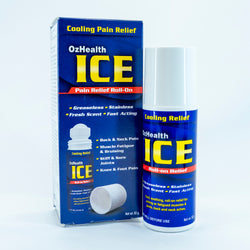
A roll-on describes the applicator rather than a class of medicine. It may allow a liquid or gel to be applied without using the fingers and can be convenient for a small, reachable area. Its likely effect and safety still depend on the formula and label. Do not assume that a cooling or warming sensation proves that inflammation has been reduced.
The active ingredient matters more than the format
Topical NSAIDs
NSAIDs reduce processes involved in pain and inflammation. When applied to the skin, drug levels in the blood are generally much lower than with the same medicine taken by mouth. Their benefit in osteoarthritis varies, however, and they are not risk-free. The 2018 RACGP knee and hip osteoarthritis guideline gave a conditional neutral recommendation: a short trial may be reasonable, with treatment stopped if it does not help and adverse effects monitored. (RACGP)
The TGA advises people using over-the-counter NSAIDs to read and follow the label, not exceed the recommended dose and use them only for the directed duration. People with cardiovascular disease or relevant risk factors should seek health-professional advice. (TGA — NSAID and diclofenac safety review)
Do not combine a topical NSAID with an oral NSAID unless a doctor or pharmacist has advised it. RACGP guidance found no additional therapeutic benefit from that combination and more adverse events. (RACGP)
Capsaicin
Capsaicin cream acts on pain-sensing nerves and commonly causes warmth or burning when first applied. Healthdirect lists capsaicin among topical therapies used for osteoarthritis, but evidence and recommendations are not uniform. The 2018 RACGP guideline suggested not offering it for knee osteoarthritis and made no recommendation for or against it for hip osteoarthritis because of limited evidence. (Healthdirect; RACGP)
This is a useful reminder that an over-the-counter product is not automatically suitable for every person or every type of arthritis.
Other topical ingredients
Some products use ingredients intended to create a cooling or warming sensation, while others are supplied as complementary medicines. Their indications and evidence vary. Judge each product by its active ingredients and its own label rather than by a general claim about creams or roll-ons.
Australian medicines included in the Australian Register of Therapeutic Goods carry an AUST number. AUST R and AUST L(A) medicines are assessed for efficacy, while AUST L medicines are not assessed for efficacy before listing. All remain subject to regulatory requirements. (TGA — AUST numbers on medicine labels)
A simple way to compare topical products
Before choosing between a cream, gel or roll-on, check:
- The active ingredient and amount. This is what produces the medicine's effect.
- The stated use. Confirm that the label covers the symptom and body area you want to treat.
- The directions. Compare how much is used, how often, maximum duration and age limits.
- The warnings. Look for allergies, broken-skin restrictions, pregnancy or breastfeeding advice, medicine interactions and health conditions that require professional advice.
- The AUST number. This identifies the product on the ARTG; it does not mean every product has undergone the same level of efficacy assessment.
- Practical application. Consider whether you can reach the area, measure the directed amount and apply the product consistently.
The TGA advises consumers to read the active ingredients, uses, directions and safety information on a medicine label before use. (TGA — What's on my medicine label?)
How long should a topical product be tried?
There is no single trial period for every topical medicine. Follow the product label and any advice from a health professional. For topical NSAIDs in knee or hip osteoarthritis, RACGP guidance describes a short trial of several weeks as reasonable and recommends stopping if the product is not effective. Capsaicin and other products have different application schedules and expectations. (RACGP)
It can help to decide in advance what a meaningful benefit would look like, such as easier walking, better sleep or improved ability to complete a usual activity. If pain persists, worsens or continues to limit daily life, seek an assessment rather than using a topical product indefinitely.
Using a topical pain-relief product safely
- Follow the exact label, including the amount, frequency and maximum duration.
- Apply only to the body areas and skin condition allowed by the label.
- Avoid the eyes, mouth and other sensitive areas.
- Wash your hands after applying a product unless the hands are the treated area and the label says otherwise.
- Do not use heat, tight bandaging or another topical product over the same area unless the label or a health professional says this is suitable.
- Stop and seek advice if there is a significant skin reaction or you feel unwell.
- Ask a doctor or pharmacist before use if you take other medicines, have other health conditions, are pregnant or breastfeeding, or are unsure about an ingredient.
All medicines can cause side effects. “Topical” means applied to the skin; it does not mean risk-free. (Healthdirect; TGA)
When joint pain needs medical assessment
See a doctor if joint pain or stiffness starts without a clear reason, lasts more than a few days, affects daily life or is accompanied by swelling, redness or warmth. Treatment differs between osteoarthritis, inflammatory arthritis, gout, injury and infection. (Healthdirect — arthritis; Healthdirect — joint pain and swelling)
Seek urgent medical care for sudden severe joint pain and swelling, particularly with redness, fever, feeling unwell or an inability to bear weight. A suddenly painful, swollen joint can indicate septic arthritis, which is a medical emergency. (Healthdirect — septic arthritis; Healthdirect — joint pain and swelling)
Topicals are one part of arthritis management
For osteoarthritis, management commonly includes education, physical activity or exercise, strategies for painful episodes, and weight management where relevant. A doctor, physiotherapist or other health professional can help develop an individual plan and review whether it is working. (Australian Commission on Safety and Quality in Health Care; Healthdirect)
A topical product may have a supporting role, but it should not delay assessment of new symptoms or replace treatments that protect function and long-term health.
Comparing an arthritis cream
For comparison, readers can review the listed ingredients, directions and warnings for OzHealth Arthritis Pain Relieving Cream. This is product information rather than a recommendation; suitability depends on the diagnosis, other medicines, health conditions and the label.
Frequently asked questions
Can an arthritis cream cure arthritis?
No topical product cures arthritis. Some products may provide temporary relief of pain or other symptoms. The likely benefit depends on the type of arthritis, the active ingredient and the individual response. (Healthdirect)
Is a gel stronger than a cream?
Not necessarily. “Gel” and “cream” describe the preparation. Compare the active ingredient, concentration, approved or listed use, evidence and directions for the specific products.
Can a cream and roll-on be used together?
Do not layer topical products over the same area unless the labels and a health professional confirm that this is suitable. Products can contain the same or interacting ingredients, increasing exposure or skin irritation.
Can a topical product be used every day?
That depends on the product. Use it only at the frequency and for the duration stated on the label or advised by a health professional. Ongoing symptoms deserve review rather than automatic long-term self-treatment.
General health information notice
This article is general information and is not a substitute for diagnosis or treatment from a qualified health professional. For 24-hour health advice in Australia, call healthdirect on 1800 022 222. For urgent medical help, call 000.
References
- Healthdirect — Arthritis.
- Healthdirect — Medicines for osteoarthritis.
- Healthdirect — Osteoarthritis.
- Healthdirect — Joint pain and swelling.
- Healthdirect — Septic arthritis.
- RACGP — Guideline for the management of knee and hip osteoarthritis, second edition, 2018.
- Australian Commission on Safety and Quality in Health Care — Osteoarthritis of the Knee Clinical Care Standard, revised 2024.
- TGA — What's on my medicine label?.
- TGA — AUST numbers on medicine labels.
- TGA — Non-steroidal anti-inflammatory drugs and diclofenac reviews.